

 Château de Versailles spectacles


 Francais
 English
 soutenir


Lully : Roland
-
 Lundi 9 mars 2026
-
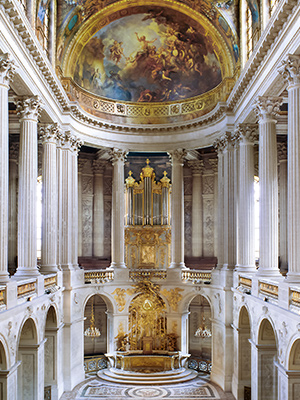
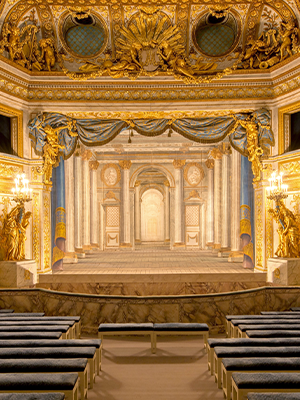
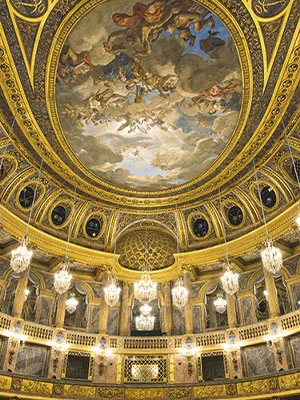
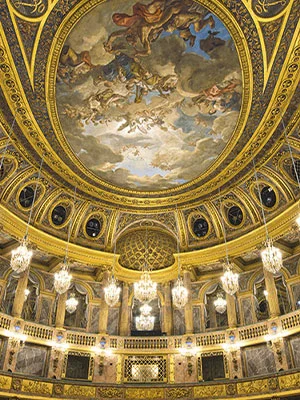
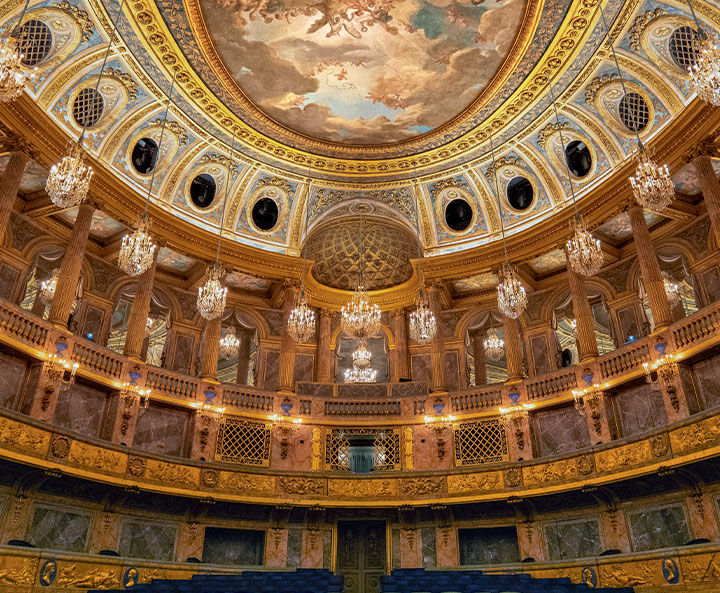
 Opéra Royal
-
 20h | 3h entracte inclus
Distribution
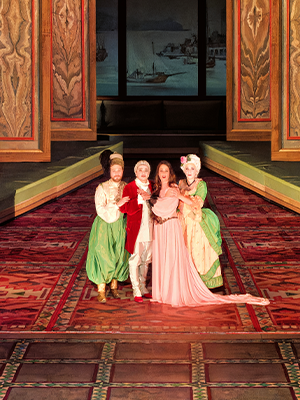
- Jérôme Boutillier Roland
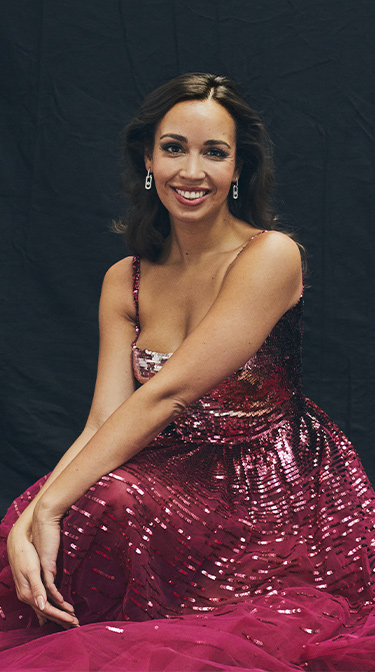
- Karine Deshayes Angélique
- Alix Le Saux Logistille, la fée principale
- Juan Sancho Médor
- Lila Dufy Témire
- Victor Sicard Démogorgon
- Morgan Mastrangelo Coridon, Astolfe
- Nicolas Brooymans Ziliante, un suivant
- Pierre-Emmanuel Roubet Tersandre
- Camille Souquère Bélize, une suivante
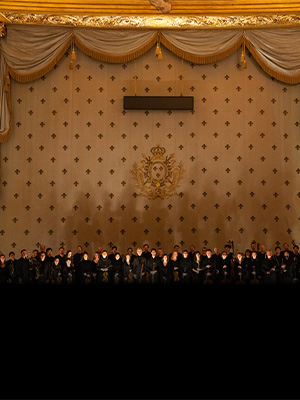
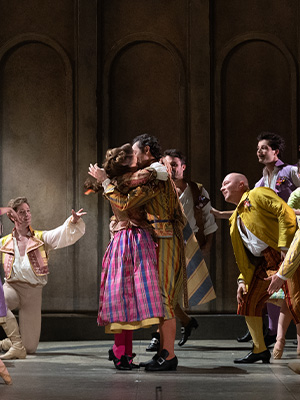
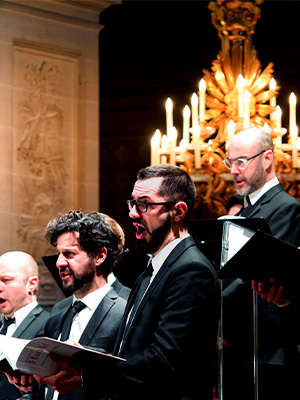
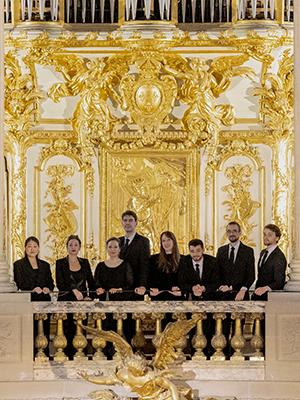
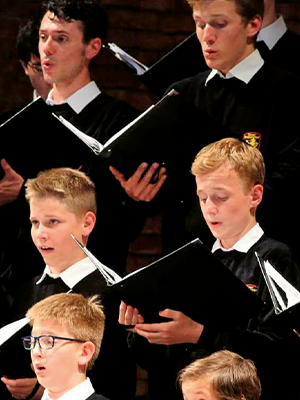
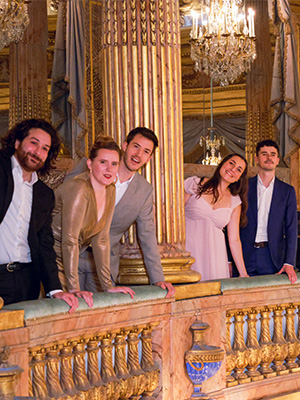
- Les Pages et les Chantres du Centre de Musique Baroque de Versailles (Fabien Armengaud Direction artistique)
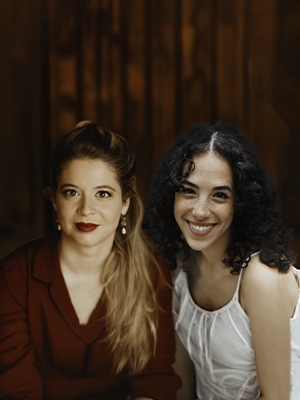
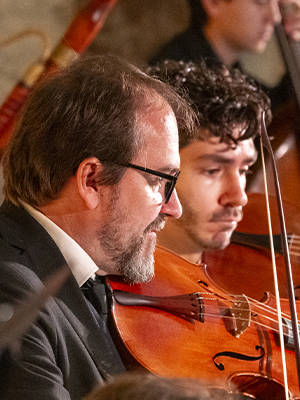
- Ensemble I Gemelli
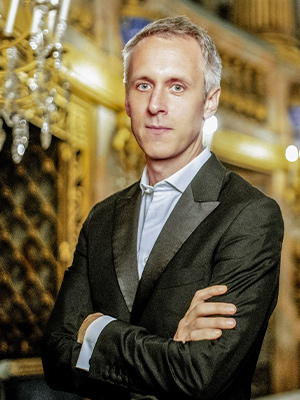
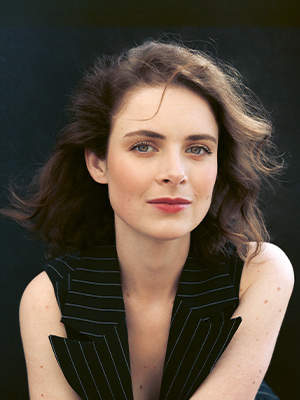
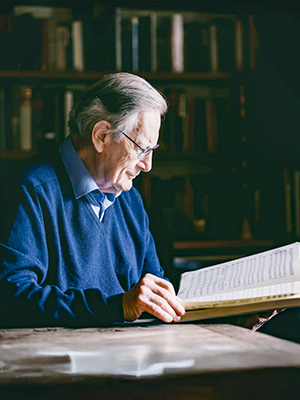
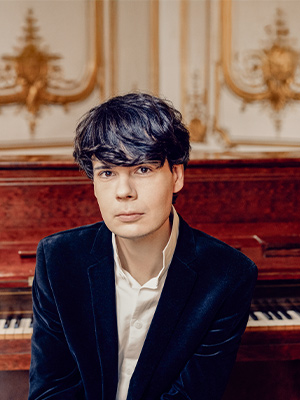
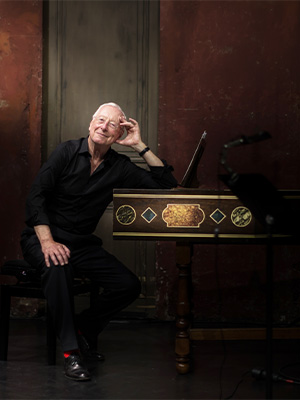
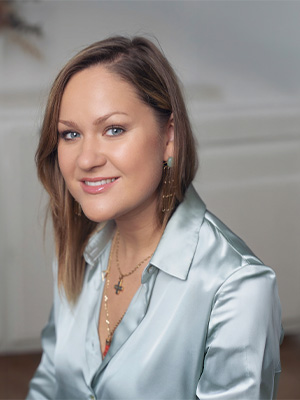
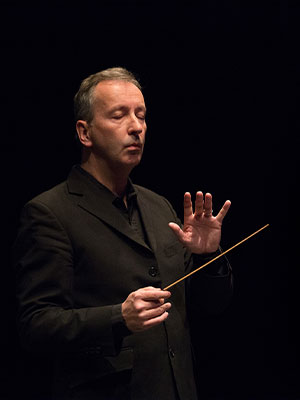
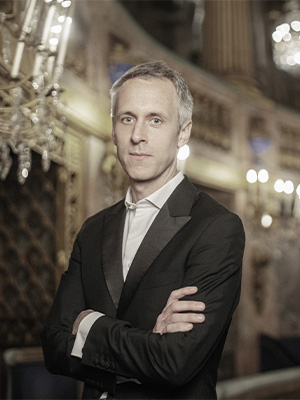
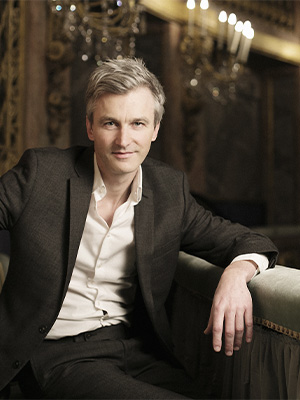
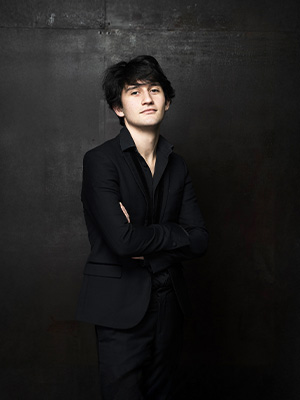
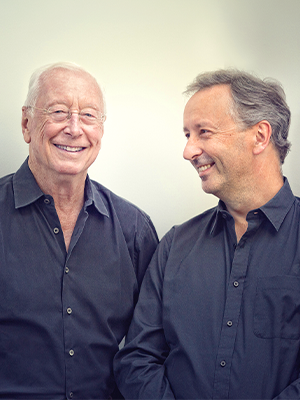
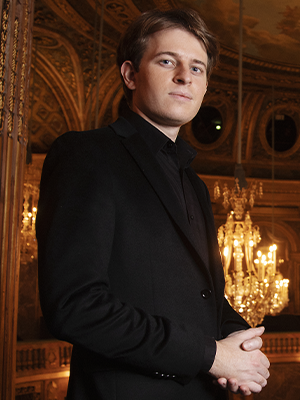
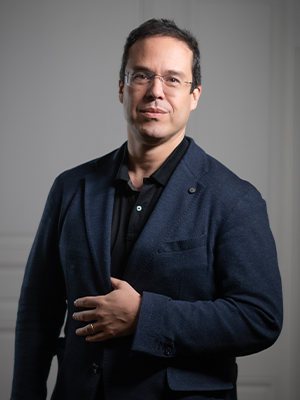
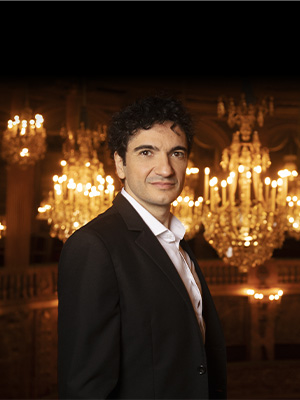
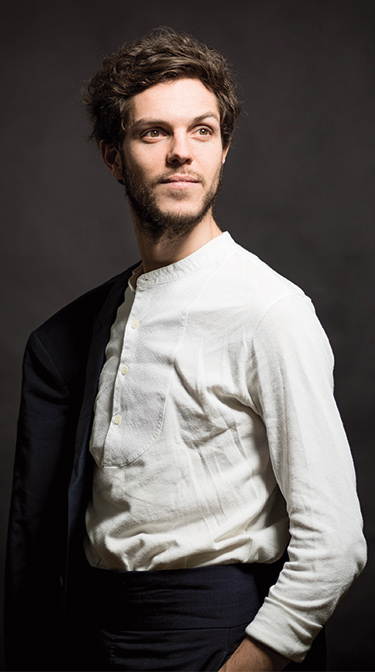
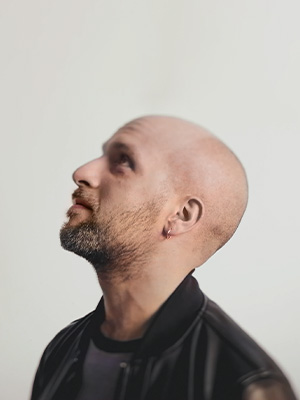
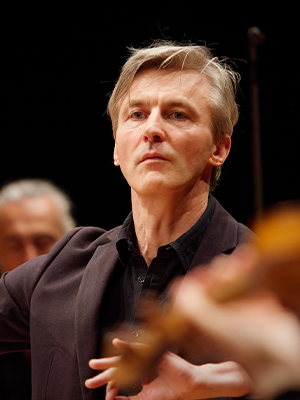
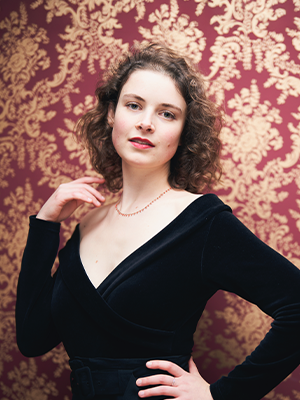
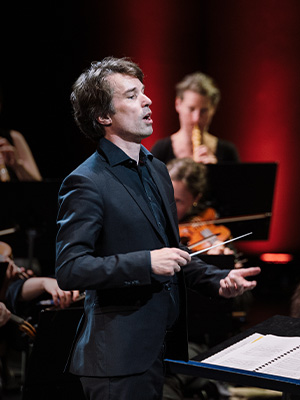
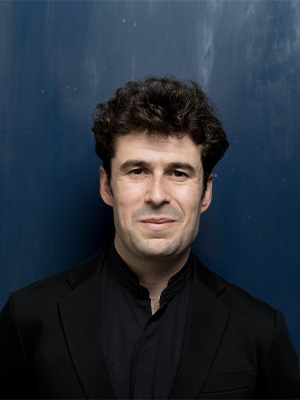
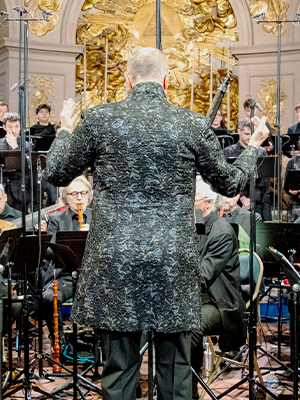
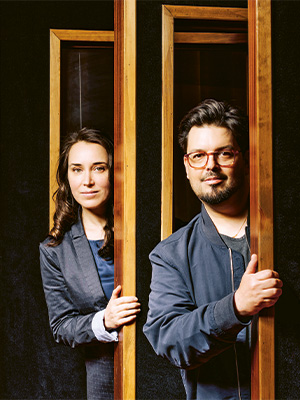
- Emiliano González Toro et Mathilde Étienne Direction
Présentation
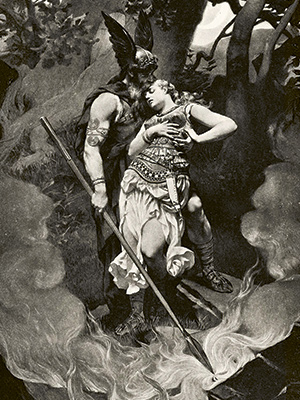
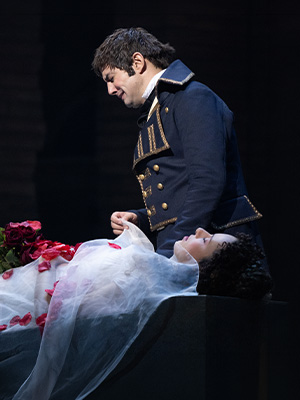
Œuvre de la maturité pour Lully et Quinault, Roland fait partie d’une « trilogie » d’opéras d’inspiration épique, éloigné des tragédies lyriques à sujet mythologique. Il se situe entre Amadis, d’après le roman de chevalerie espagnol Amadis de Gaule, de Garci Rodríguez de Montalvo (que Cervantès parodie dans Don Quichotte) et Armide, inspiré de La Jérusalem délivrée, la sublime épopée – romantique avant l’heure – du Tasse. Roland se concentre sur un épisode célèbre du Roland furieux de l’Arioste, dans lequel un chevalier devient littéralement fou d’amour pour la belle qui l’a trahi.
Le roman de l’Arioste, foisonnant et baroque, mêle l’érotisme à l’irrévérence. Comme Shakespeare, son auteur s’est mal acclimaté en France. Anarchique et désinvolte, fantasque et embrouillé, mélangeant les genres et les registres, le Roland furieux ne correspond pas au goût français, éloigné de l’excès : « Quoique souvent le désordre y soit divertissant, c’est toujours le désordre » (Guez de Balzac). L’histoire décousue, nourrie d’invraisemblances, ne se prête guère à l’édification ni à la propagande royale. Mais peut-être est-ce ce mépris des règles classiques qui débride l’imagination des auteurs français qui l’adaptent : la tragi-comédie (genre hybride) lui doit beaucoup. C’est aussi le cas de l’opéra : que d’ironie, que de malice et d’humour dans le livret de Quinault ! Sa structure ne respecte aucun précepte aristotélicien : ainsi le couple d’amoureux disparaît au troisième acte pour ne plus revenir, laissant la place à la folie furieuse du héros, ou plutôt, de l’anti-héros.
Afficher plusLa partition de Lully, chef-d’œuvre de variété et d’élégance, exalte les contrastes entre les épisodes, juxtapose les dialogues amoureux de Médor et d’Angélique, une exquise scène pastorale et la folie brutale de Roland, jusqu’à une monumentale chaconne qui forme le cœur de l’opéra (presque un quart d’heure de ballet !). Œuvre moderne échappant au carcan des traditions – ni infidèle à l’Arioste, ni fidèle à Aristote – Roland renouvelle son modèle en déployant joyeusement un monde poétique et musical aussi bigarré que fantaisiste.

Coproduction Centre de musique baroque de Versailles / Ensemble I Gemelli.
Nouvelle édition du Roland de Lully par Nicolas Sceaux pour l’ensemble I Gemelli.
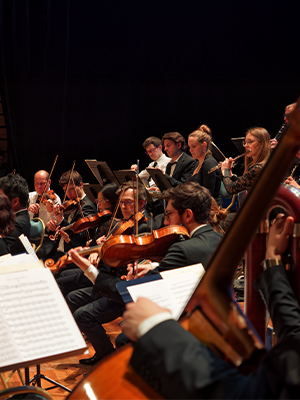
Les Vingt-quatre Violons du roi du Centre de musique baroque de Versailles sont le fruit d’une commande passée par le CMBV aux luthiers Antoine Laulhère et Giovanna Chittò.
Les hautbois historiques français du Centre de musique baroque de Versailles – instruments Durand Milanolo – ont été reconstruits en 2024 par les facteurs Thierry Bertrand, Olivier Clémence, Henri Gohin et Alberto Ponchio, grâce au financement de Monsieur Romain Durand, Grand mécène du CMBV.
Programme
Tragédie en musique en un prologue et cinq actes sur un livret de Philippe Quinault inspiré de l’Orlando furioso de l’Arioste, créée à l’Académie royale de musique en 1685.
Concert en français surtitré en français et en anglais.

Lundi 9 mars, le « 15 minutes avec » aura lieu à 19h30 au Foyer Royal en présence des chefs Emiliano Gonzalez Toro et Mathilde Etienne.
Sur présentation de votre billet pour le soir-même et dans la limite des places disponibles.

-
Télécharger le plan d'accès

-
Télécharger le programme du spectacle
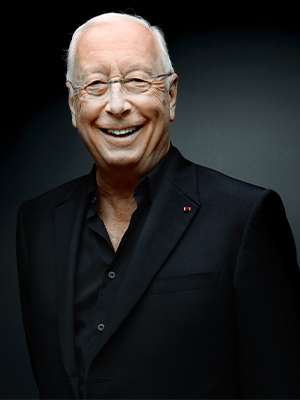
Rencontre avec Laurent Brunner
Et aussi…
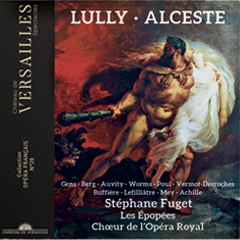
Alceste ou Le Triomphe d’Alcide
N°149
En 1674, Lully et Quinault créent Alceste, une tragédie en musique mêlant mythe grec et style baroque, qui rencontre le succès à la cour de Louis XIV. L’opéra affirme la tragédie en musique comme genre majeur. Stéphane Fuget, accompagné des Épopées et du Chœur de l’Opéra Royal, sublime cet univers d’amour et de sacrifice.
En savoir plus
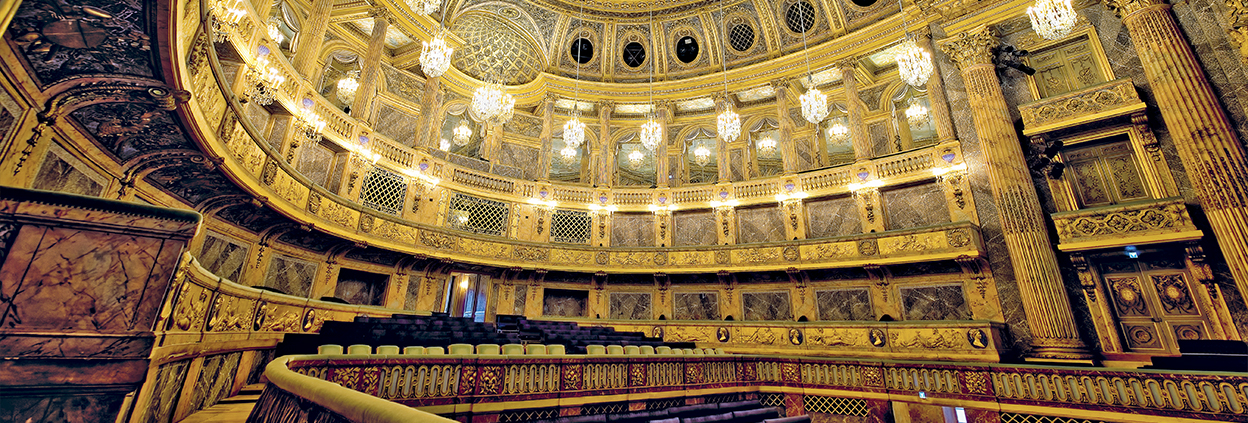
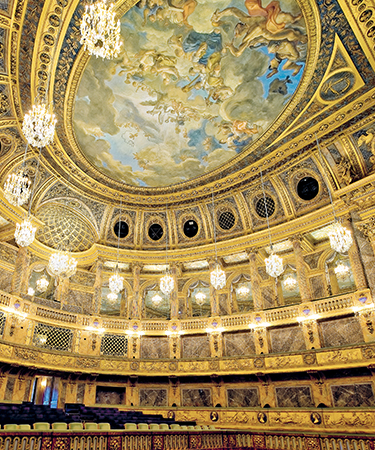
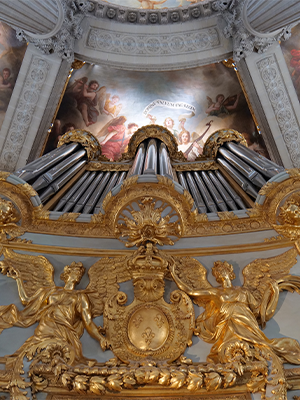
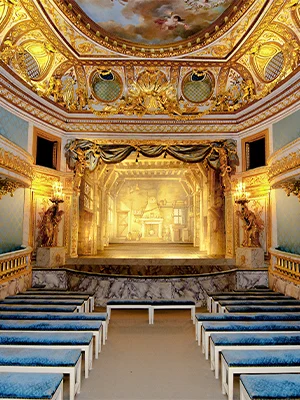
L'Opéra Royal du Château de Versailles
En savoir plusCATÉGORIE PRESTIGE VIP : Les meilleures places de la salle, le programme vous sera offert ainsi qu’une coupe de champagne.
CATÉGORIE PRESTIGE : De très bonnes places, le programme vous sera offert ainsi qu’une coupe de champagne.
TARIF RÉDUIT : accordé pour les moins de 26 ans, aux bénéficiaires de la formule Opéra Expérience et aux groupes de plus de 10 personnes (hors formule Entreprise).
TARIF GROUPE : pour plus de renseignements, veuillez consulter notre page dédiée aux comités d’entreprise et groupes.
L’équipe billetterie est à votre disposition par téléphone au 01 30 83 78 89 (du lundi au vendredi de 11h à 18h) ou sur place dans notre billetterie-boutique (3 bis rue des Réservoirs, 78000 Versailles ; du lundi au vendredi de 11h à 18h, ainsi que les samedis de spectacles hors Grandes Eaux Musicales de 14h à 17h).
Pour un meilleur accueil, il est conseillé aux personnes à mobilité réduite de réserver leurs places par téléphone.

Découvrez aussi…